How to Pest Proof Your Dubai Apartment Before Summer (2026 Guide)
Every year, as temperatures rise across Dubai from April onwards, pest activity surges across the city. Cockroach sightings increase. Ant trails reappear in kitchens. Flies multiply around drains and waste areas. Bed bug reports rise as travel season peaks. Rats move indoors seeking cooler, water-accessible environments.
The difference between apartments that get infestations every summer and those that don’t usually comes down to one thing: preparation. Taking the right preventative steps before the summer heat arrives is significantly cheaper, less disruptive, and more effective than dealing with a full infestation once it has established.
This guide covers exactly what Dubai apartment residents should do before summer to protect against the six most common pests — cockroaches, ants, flies, bed bugs, rats, and termites — with practical steps you can take yourself and clear guidance on when professional help is the right call.
Why Summer Is Peak Pest Season in Dubai
Dubai’s summer creates a perfect storm of conditions for pest activity. Outdoor temperatures exceeding 40°C drive pests indoors to seek cooler, air-conditioned environments. Warm, humid conditions accelerate breeding rates dramatically — a cockroach generation that takes 60 days to develop in mild weather can complete in under 3 weeks in peak summer conditions. Food waste decomposes faster, creating richer breeding grounds for flies. And the combination of heat and irrigation keeps soil moist, driving ant and termite activity to their peak.
The most effective time to act is March and April — before populations surge. Prevention applied before the heat peak is far more effective than treatment during it.
1. Cockroach Prevention — Seal, Clean, and Inspect
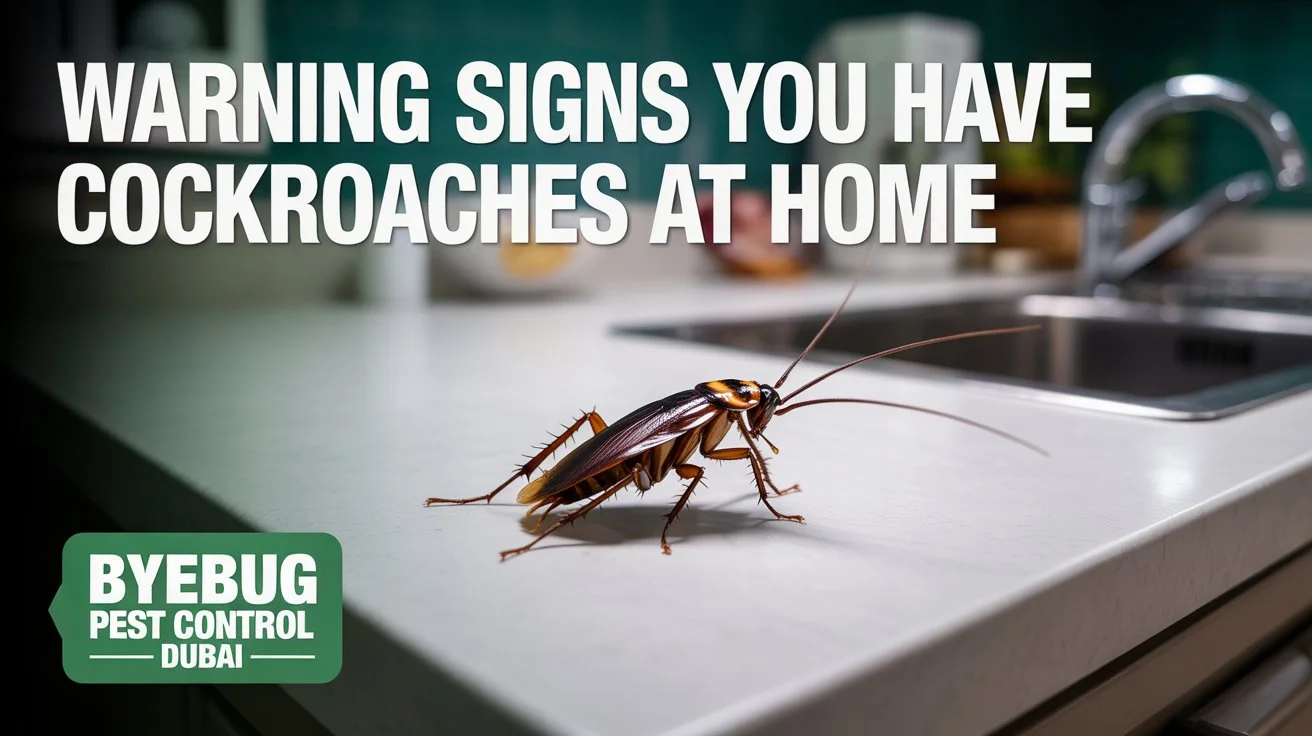
Cockroaches are the most common pest complaint in Dubai apartments, particularly in older buildings in Deira, Al Qusais, and Bur Dubai. They enter through drainage systems, gaps around pipes, and shared wall infrastructure — and once established, they breed rapidly.
What you can do:
- Seal gaps around pipes under the kitchen sink and bathroom basin with silicone sealant — these are the most common cockroach entry points in Dubai apartments.
- Check drain covers in bathrooms and kitchen floor drains are in place and undamaged. A missing or cracked drain cover is a direct entry route from the building’s drainage system.
- Deep clean behind and under all kitchen appliances — the fridge, oven, microwave, and dishwasher. Grease and food debris in these areas are primary cockroach attractants.
- Inspect any grocery deliveries before storing them — cockroaches frequently hitchhike into apartments inside cardboard delivery boxes from food suppliers.
- Do not leave unwashed dishes overnight — cockroaches are nocturnal and food residue on dishes left out provides a reliable overnight food source.
- If your building has had cockroach reports recently, book a pre-summer professional inspection before populations peak.
If you have seen cockroaches recently or want a preventative treatment before summer, visit byebug.ae/cockroach-control/ for a free inspection.
2. Ant Prevention — Eliminate Entry Points and Food Sources
Ghost ants — tiny, pale ants — are the dominant ant species in Dubai apartment kitchens and surge in activity as temperatures rise. They can enter through gaps as small as a fraction of a millimetre and establish foraging trails across entire apartment floors within days of first entry.
What you can do:
- Transfer all dry pantry goods — sugar, flour, cereals, rice, spices, and biscuits — from original packaging into sealed airtight containers. Original food packaging is not ant-proof, and even residue on the outside is detectable.
- Fix any dripping taps or moisture under the kitchen sink — ants need water, and moisture sources inside apartments are powerful attractants.
- Caulk visible gaps around window frames, door thresholds, and utility penetrations at kitchen and bathroom level.
- Wipe down kitchen counters and stovetops after cooking — even microscopic food residue is enough to establish and sustain an ant trail.
- Do not apply contact spray to ant trails if you plan to book a professional treatment — sprays disrupt foraging trails and reduce the effectiveness of professional gel bait.
For persistent ant problems or pre-summer professional treatment, visit byebug.ae/ant-control/.
3. Fly Prevention — Target Breeding Sources Before They Build
Fly populations in Dubai grow three times faster in summer heat than in cooler months. A fly problem that feels manageable in March can become a serious infestation by May if the underlying breeding sources — primarily drains and waste areas — are not addressed before temperatures peak.
What you can do:
- Clean kitchen and bathroom drains with a biological drain cleaner monthly from March onwards — this breaks down the organic sludge that drain flies and fruit flies breed in before populations establish.
- Empty kitchen bins daily during summer — food waste in warm indoor environments becomes a breeding ground within hours in peak heat.
- Keep bin lids sealed at all times and wipe bin interiors weekly to remove food residue.
- Store ripe fruit in the fridge rather than on the counter from April through September.
- Fix any slow-draining sinks promptly — standing water and organic debris in sluggish drains is a primary fruit fly and drain fly breeding site.
- Install fly screens on windows and balcony doors if not already fitted — particularly important for lower-floor and ground-floor apartments.
For professional drain treatment and fly control before the summer peak, visit byebug.ae/fly-control/.
4. Bed Bug Prevention — Protect Against Travel Season
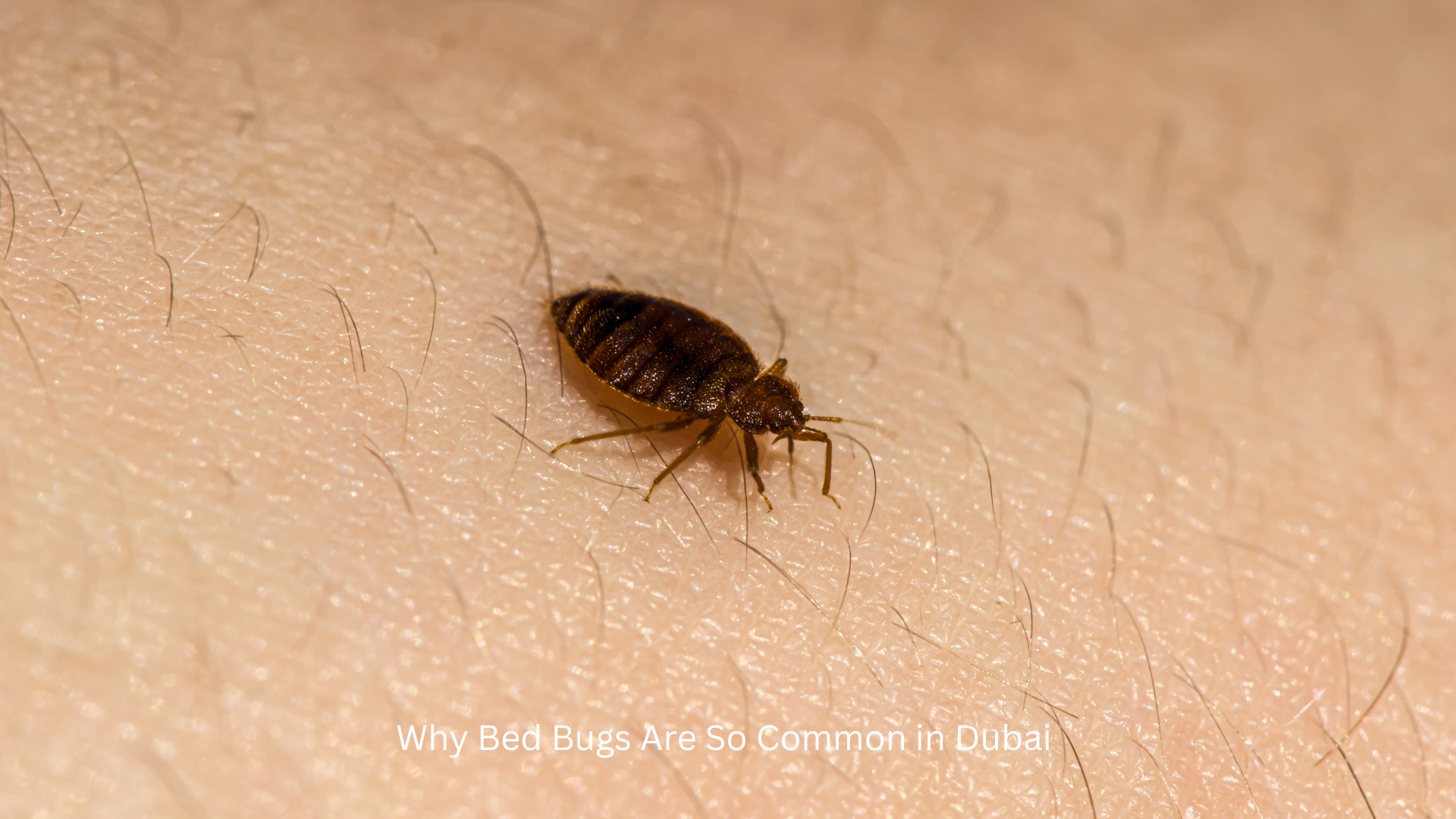
Dubai’s summer travel season — when residents frequently travel abroad and visitors arrive from overseas — is one of the highest-risk periods for bed bug introduction into apartments. Bed bugs hitchhike on luggage and clothing and are introduced to Dubai homes via hotel stays, with residents often unaware they are carrying them until bites appear days later.
What you can do:
- After returning from any hotel stay — domestic or international — inspect luggage before bringing it into the bedroom. Check seams, pockets, and interior lining for any small reddish-brown insects or dark spots.
- Place suitcases in the hallway or bathroom immediately on return, not on the bedroom floor or bed.
- Use mattress and pillow encasements — these seal the most common bed bug hiding spots and make future inspections significantly easier.
- If moving into a furnished apartment, inspect the mattress seams, bed frame joints, and headboard carefully before the first night.
- Be cautious with any second-hand upholstered furniture — sofas, armchairs, and mattresses from previous residents are a common bed bug introduction route in Dubai’s furnished apartment market.
If you suspect bed bugs after travel or in a newly occupied apartment, visit byebug.ae/bed-bugs-removal/ for a free inspection.
5. Rodent Prevention — Seal Entry Points and Secure Waste
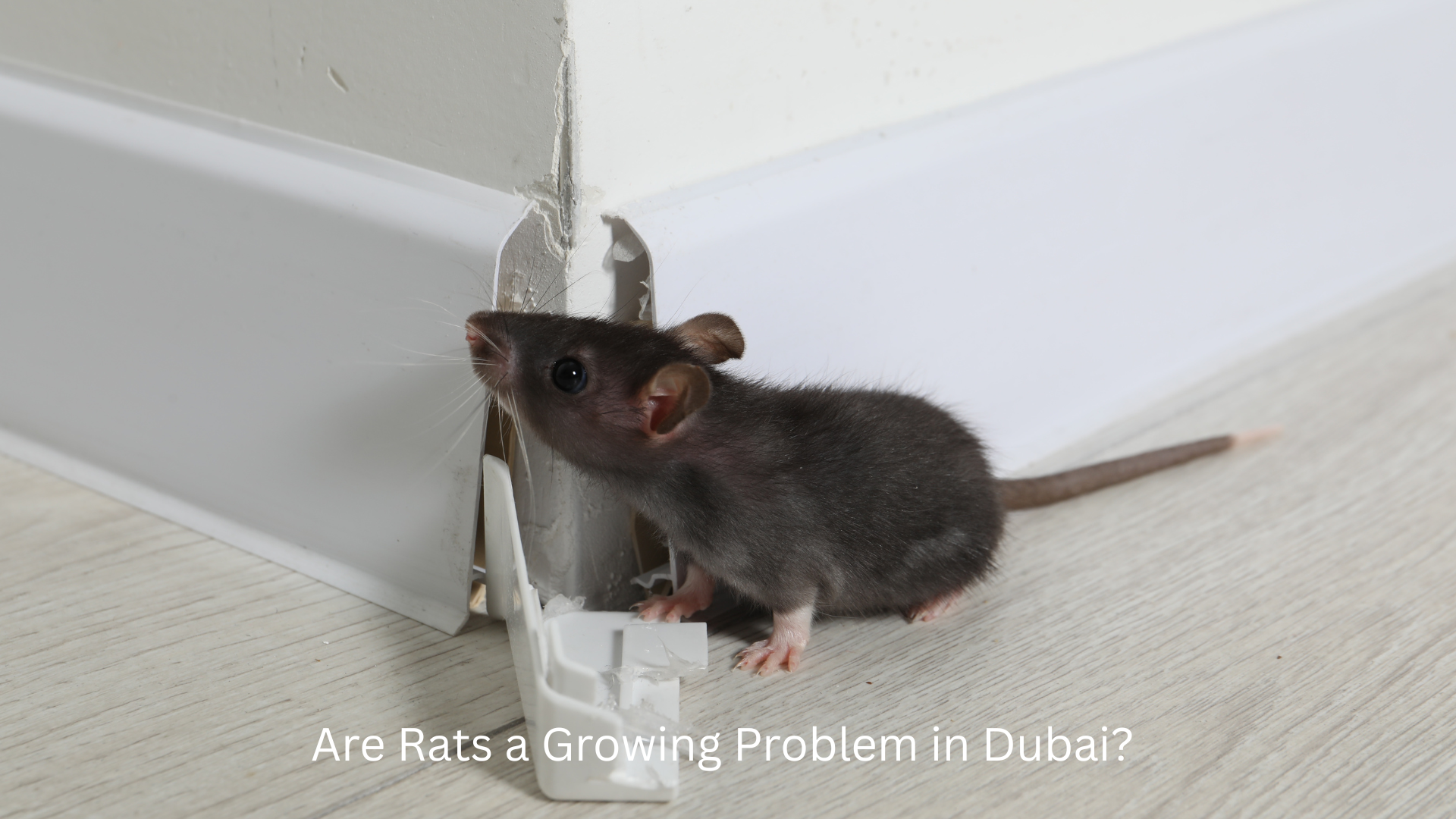
As outdoor temperatures rise, rats actively seek cooler environments with reliable water access — making building interiors, parking levels, and waste rooms significantly more attractive during summer. Ground-floor and basement apartments, and those near communal waste areas, face the highest risk.
What you can do:
- Inspect and seal any gaps larger than a coin around pipes, ventilation points, and utility penetrations — rats can squeeze through surprisingly small openings.
- Report any drainage gaps, broken drain covers, or structural cracks near your apartment’s exterior to building management immediately.
- Ensure communal waste bins in your building have sealed lids and are not left overflowing — report issues to management promptly.
- Store food in sealed containers and avoid leaving pet food in open bowls overnight.
- Listen for scratching or scurrying sounds in walls or ceilings at night — these are early indicators of rodent activity worth investigating before a population establishes.
For rat inspection and control services in Dubai, visit byebug.ae/rat-control/.
6. Termite Prevention — Ground-Floor and Villa Residents Take Note
Termites are primarily a concern for villa owners and ground-floor apartment residents in Dubai — particularly those with direct or near-direct soil contact. Termite swarm season in Dubai runs from March through June, when reproductive termites fly out of established colonies to start new ones. Finding discarded wings near windows or light sources during this period is an urgent warning sign.
What you can do:
- Check wooden door frames, window frames, and skirting boards for hollow sounds when tapped — this is one of the earliest detectable signs of termite activity.
- Look for mud tubes — narrow, pencil-width tubes made of soil — along exterior walls, garden boundaries, and around pipe penetrations.
- Check window sills and doorways for small piles of discarded wings — these indicate a termite swarm has entered or exited your property.
- Avoid storing cardboard boxes, wooden items, or timber directly on soil in garden areas.
- If you live in a villa or ground-floor apartment in Jumeirah, Mirdif, Al Barsha, or similar villa communities, book a pre-summer termite inspection — preventative soil treatment is significantly cheaper than treating structural damage.
For termite inspections and soil treatment in Dubai, visit byebug.ae/termite-pest/.
Your Pre-Summer Pest-Proofing Checklist
Use this checklist every March/April before Dubai’s summer peak:
- Seal gaps around pipes under kitchen sink and in bathrooms
- Check and replace any missing or damaged drain covers
- Deep clean behind and under all kitchen appliances
- Transfer dry pantry goods into sealed airtight containers
- Fix any dripping taps or moisture issues
- Clean kitchen and bathroom drains with biological drain cleaner
- Move ripe fruit to the fridge
- Check luggage and mattress seams for bed bug signs
- Install mattress encasements if not already fitted
- Inspect wooden frames and skirting boards for termite signs
- Report any communal waste or drainage issues to building management
- Book a professional pre-summer inspection if any pest activity has been noticed
Want a Professional Pre-Summer Pest Inspection?
ByeBug offers free pest inspections across all Dubai areas. Our Dubai Municipality certified technicians assess your property for all common pests, identify any current activity, and provide a preventative treatment plan before summer populations peak.
Book a Free Inspection TodayFrequently Asked Questions
When is the best time to pest-proof a Dubai apartment?
March and April are the ideal months — before outdoor temperatures reach their peak and before pest breeding rates accelerate. Preventative measures applied before the summer heat are significantly more effective and less expensive than reactive treatment during a full infestation.
Do I need a professional inspection or can I do it myself?
The preventative steps in this article are things any resident can do independently. However, if there has been any recent pest activity in your apartment or building, a professional inspection adds significant value — a trained technician can detect early signs of infestation, treat entry points with professional-grade residual products, and apply preventative treatments to drainage and structural risk areas that are beyond the scope of DIY measures.
Is pest control the landlord’s or tenant’s responsibility in Dubai?
In most Dubai tenancy agreements, the landlord is responsible for ensuring the property is pest-free at the start of the tenancy. Pest control costs during the tenancy — for infestations that develop during occupancy — are typically the tenant’s responsibility unless the lease specifies otherwise. It is always worth checking your specific tenancy agreement and discussing with your landlord or property manager if you are unsure.
How much does a preventative pest inspection cost in Dubai?
ByeBug offers free pest inspections across all Dubai areas — there is no cost or obligation for the initial assessment. Preventative treatment costs depend on property size and the specific services required. Contact us for a transparent, no-obligation quote.
The Bottom Line
Pest-proofing your Dubai apartment before summer is not complicated — but it does require acting before the problem arrives rather than after. The practical steps in this guide address the specific conditions that attract the six most common pest species in Dubai homes, and most of them take less than an afternoon to complete.
The residents who deal with the fewest pest problems every summer are not the ones who react fastest when they see something — they are the ones who prepared their homes before the season started. A few hours of preparation in March or April is worth more than multiple professional treatment visits in July.
And if you would like professional support — whether that is a preventative inspection, a targeted treatment for a specific pest, or a full pre-summer assessment of your property — ByeBug offers free inspections across all Dubai areas with no obligation.