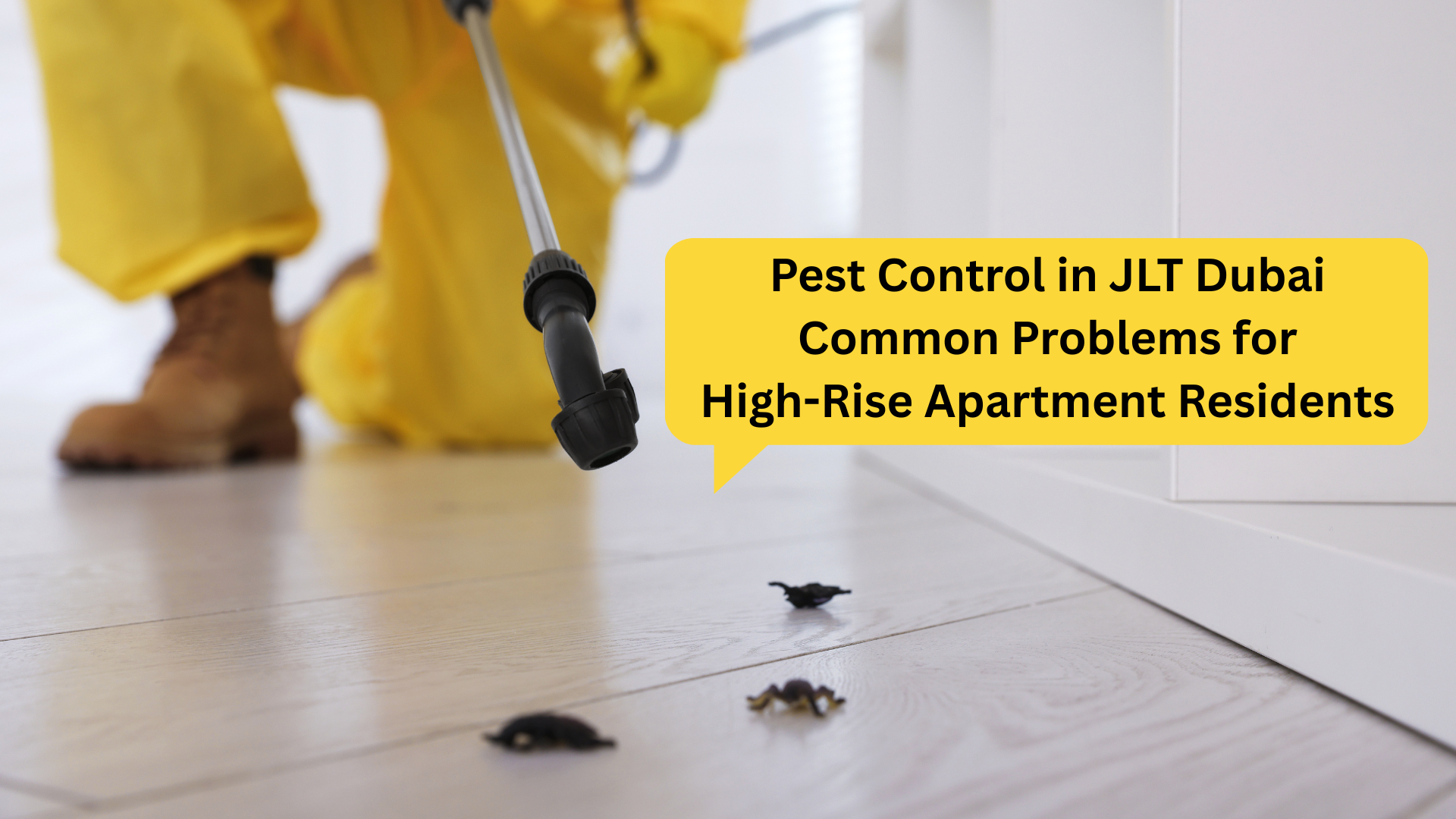
Pest Control in JLT Dubai — Common Problems for High-Rise Apartment Residents
Jumeirah Lake Towers is one of Dubai’s most densely populated residential and commercial communities — over 80 high-rise towers housing tens of thousands of residents, stacked closely together above an active metro line, retail podiums, and a shared lake infrastructure. It is also one of the communities where pest issues are reported most consistently.
This is not a coincidence. The specific characteristics of JLT — its building density, shared drainage and waste infrastructure, high tenant turnover, active food and beverage scene at podium level, and the constant movement of residents in and out — create conditions that make pest control an ongoing management issue rather than a one-time fix.
This guide covers the most common pest problems reported by JLT residents, why high-rise living creates specific pest challenges, and what you can do to protect your apartment.
Why JLT Apartments Face Unique Pest Challenges
Several factors specific to JLT make pest management more challenging than in lower-density residential areas like Mirdif or Arabian Ranches:
Shared Building Infrastructure
Every JLT tower has shared waste rooms, shared drainage systems, shared utility shafts, and shared structural voids that connect all apartments within the building. Pests — particularly cockroaches and ants — travel freely through this shared infrastructure. A cockroach colony nesting inside a waste room on the ground floor can send foragers to apartments on the 20th floor through utility conduits and drainage pipework.
High Tenant Turnover
JLT has one of the highest tenant turnover rates of any residential community in Dubai. Residents move in from hotels or furnished apartments, bringing luggage that may carry bed bugs. Departing residents leave behind furniture that may be infested. New tenants move into apartments that were treated by previous occupants, removing treatment residuals and restarting the infestation cycle.
Ground-Floor Food and Beverage Activity
JLT’s retail podiums and lake-facing promenades are home to dozens of restaurants, cafes, and food outlets. Food service activity at podium level generates significant organic waste — a primary food source and breeding ground for cockroaches, flies, and rodents. Pests established in commercial premises at ground level routinely travel upward through building infrastructure into residential floors above.
Building Age and Infrastructure Wear
Many JLT towers were built between 2006 and 2012 and are now 14–20 years old. Ageing drainage infrastructure, deteriorating pipe seals, and accumulated organic buildup inside drain systems create increasing entry opportunities for pests — particularly cockroaches and drain flies — that were better sealed in newer buildings.
1. Cockroaches — The Most Common JLT Pest Problem
Cockroaches are consistently the most reported pest in JLT apartments. German cockroaches — small, fast-breeding, and highly resistant to standard pesticides — are the dominant species, particularly in kitchens and bathrooms.
The interconnected drainage and utility systems in JLT towers mean that cockroaches treated in one apartment frequently re-enter from neighbouring units within weeks. This is one of the most common frustrations reported by JLT residents — professional treatment produces results, but re-infestation occurs because the broader building population is not addressed.
Warning signs specific to JLT apartments:
- Cockroaches appearing in the kitchen at night despite a clean apartment — indicating entry from building drainage rather than food attractants inside the unit
- Droppings reappearing after treatment — suggesting re-entry from shared infrastructure
- Sightings near the waste room level or in building corridors — confirming building-level rather than unit-level infestation
- German cockroaches specifically — identified by two dark stripes behind the head — which require gel bait treatment rather than spray alone
For professional cockroach treatment in JLT, visit byebug.ae/cockroach-control/.
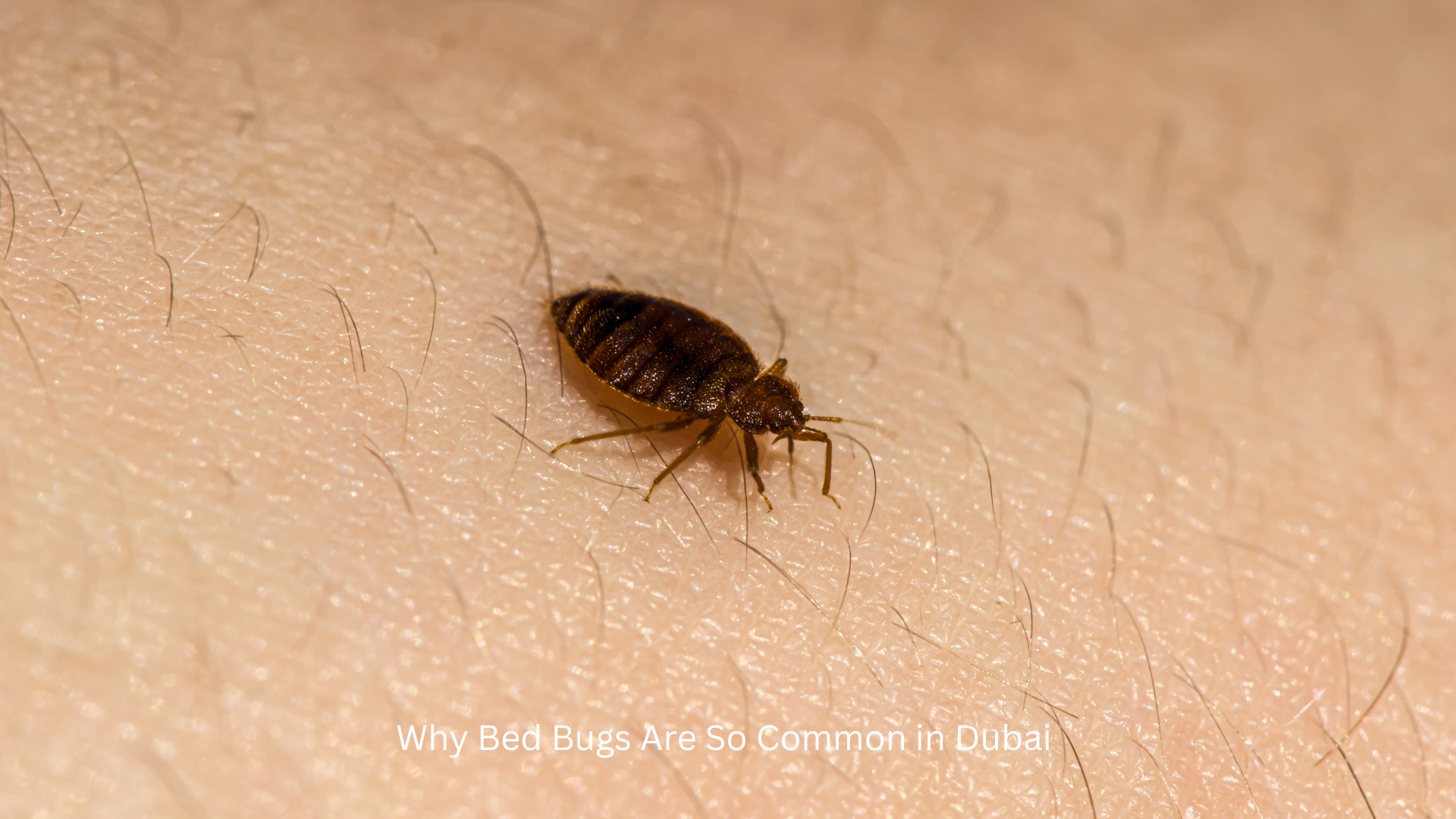
2. Bed Bugs — A Growing Problem in JLT’s Furnished Apartments
JLT has a large supply of furnished short-term and long-term rental apartments — and furnished apartments are one of the highest-risk environments for bed bug infestations in Dubai. Mattresses, sofas, and bed frames that have been in an apartment through multiple tenancies accumulate bed bug risk with each new occupant.
JLT’s proximity to Dubai Marina Walk, the Metro station, and its large number of short-term visitors and hotel-apartment users also means a constant flow of new residents arriving from travel with potentially infested luggage.
Bed bugs spread between JLT apartments through shared walls, electrical conduits, and hallways — meaning an infestation in one unit can spread to adjacent apartments within months if not treated promptly and thoroughly.
What JLT residents should do when moving in:
- Inspect the mattress seams, bed frame joints, and headboard before the first night in a furnished JLT apartment
- Check the sofa and any upholstered furniture for dark spots, shed skins, or live insects
- Ask the landlord or property manager when the apartment was last professionally treated
- Report any signs of bed bugs to building management immediately — early coordinated treatment prevents building-wide spread
For professional bed bug treatment in JLT, visit byebug.ae/bed-bugs-removal/.
3. Ants — Persistent in JLT Kitchens Year-Round
Ghost ants — tiny, pale insects that are almost invisible to the naked eye — are the dominant ant species in JLT apartments and among the most frustrating pests to control in high-rise buildings. Their colonies span multiple units simultaneously, nesting inside wall cavities, under tiles, and within electrical conduits that connect apartments across floors.
JLT residents frequently report that ant trails reappear in their kitchen within days of DIY treatment — this is because surface sprays kill the workers on the trail but leave the multi-queen colony completely unaffected, often causing it to split into additional sub-colonies.
Pharaoh ants — a species known to spread bacteria and particularly problematic in warm, humid indoor environments — are also present in some JLT towers, particularly in older buildings with more established drainage and wall void networks.
For professional ant treatment in JLT, visit byebug.ae/ant-control/.
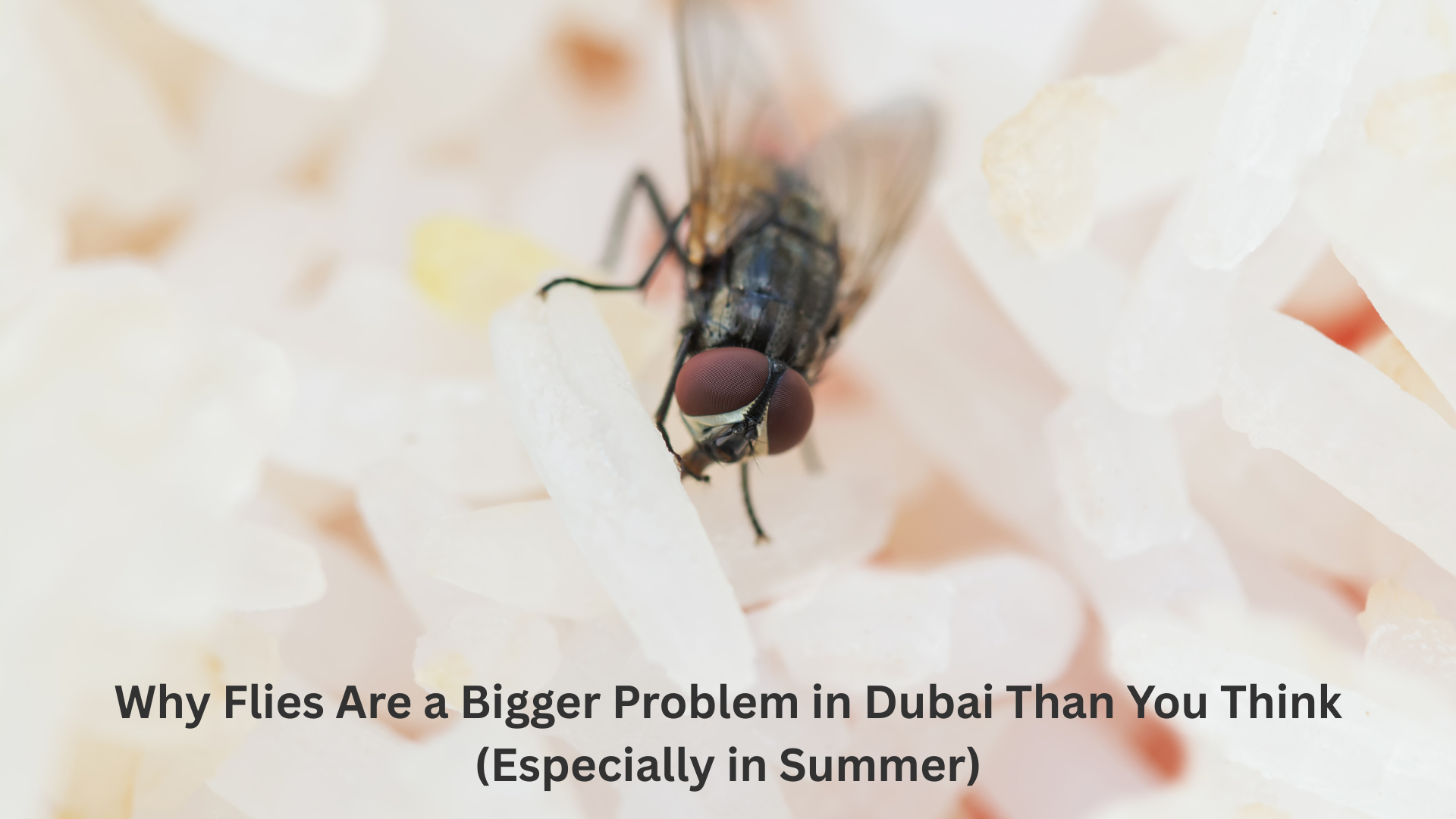
4. Drain Flies and Fruit Flies — Common in JLT Kitchens and Bathrooms
Drain flies and fruit flies are a persistent problem in JLT apartments — particularly during the summer months when warm, humid conditions accelerate organic buildup inside drain pipes. The ageing drainage infrastructure in many JLT towers means organic sludge accumulates faster and is harder to remove with standard cleaning.
Drain flies are particularly difficult for residents to resolve independently because they breed deep inside the drainage pipework — well beyond where standard drain cleaning products or boiling water can reach. Professional larvicide treatment applied directly into the drain system is the only reliable solution.
The restaurant and cafe activity at JLT’s podium level also contributes to fly pressure throughout the building — flies attracted to food waste at ground level travel upward through building ventilation and open windows into residential floors.
For professional fly and drain treatment in JLT, visit byebug.ae/fly-control/.
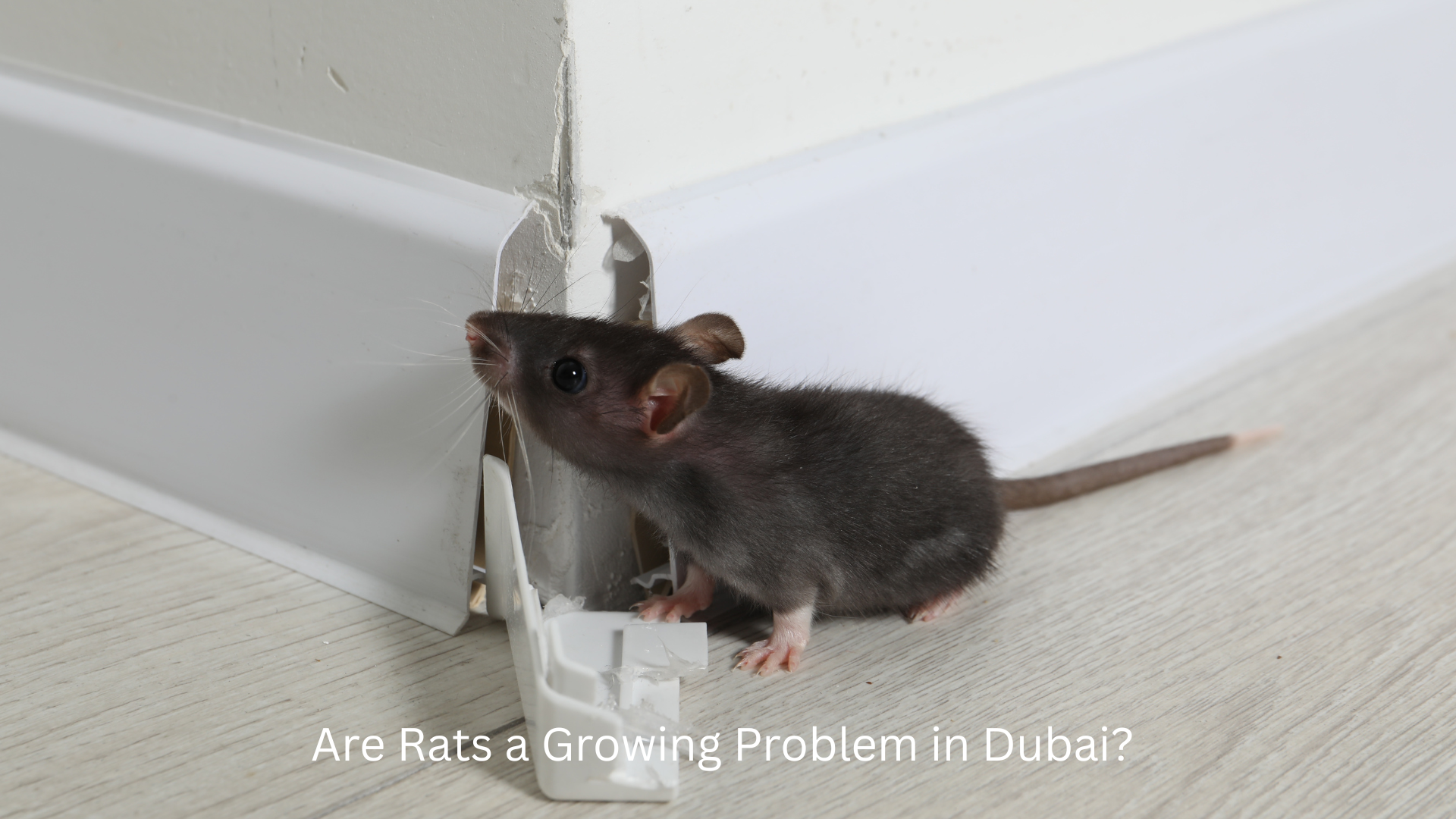
5. Rats — An Increasing Concern in JLT’s Older Towers
While rat sightings in JLT apartments are less common than cockroaches or ants, they have been increasingly reported in ground-floor and lower-floor units in older JLT towers — particularly those with direct access to the building’s drainage infrastructure and those adjacent to the lake.
Brown Rats enter JLT buildings primarily through drainage systems. Gaps in drain covers, deteriorating pipe seals, and structural cracks at basement and ground-floor level are the most common entry points. Once inside a building’s drainage or utility infrastructure, rats can access multiple floors through service shafts.
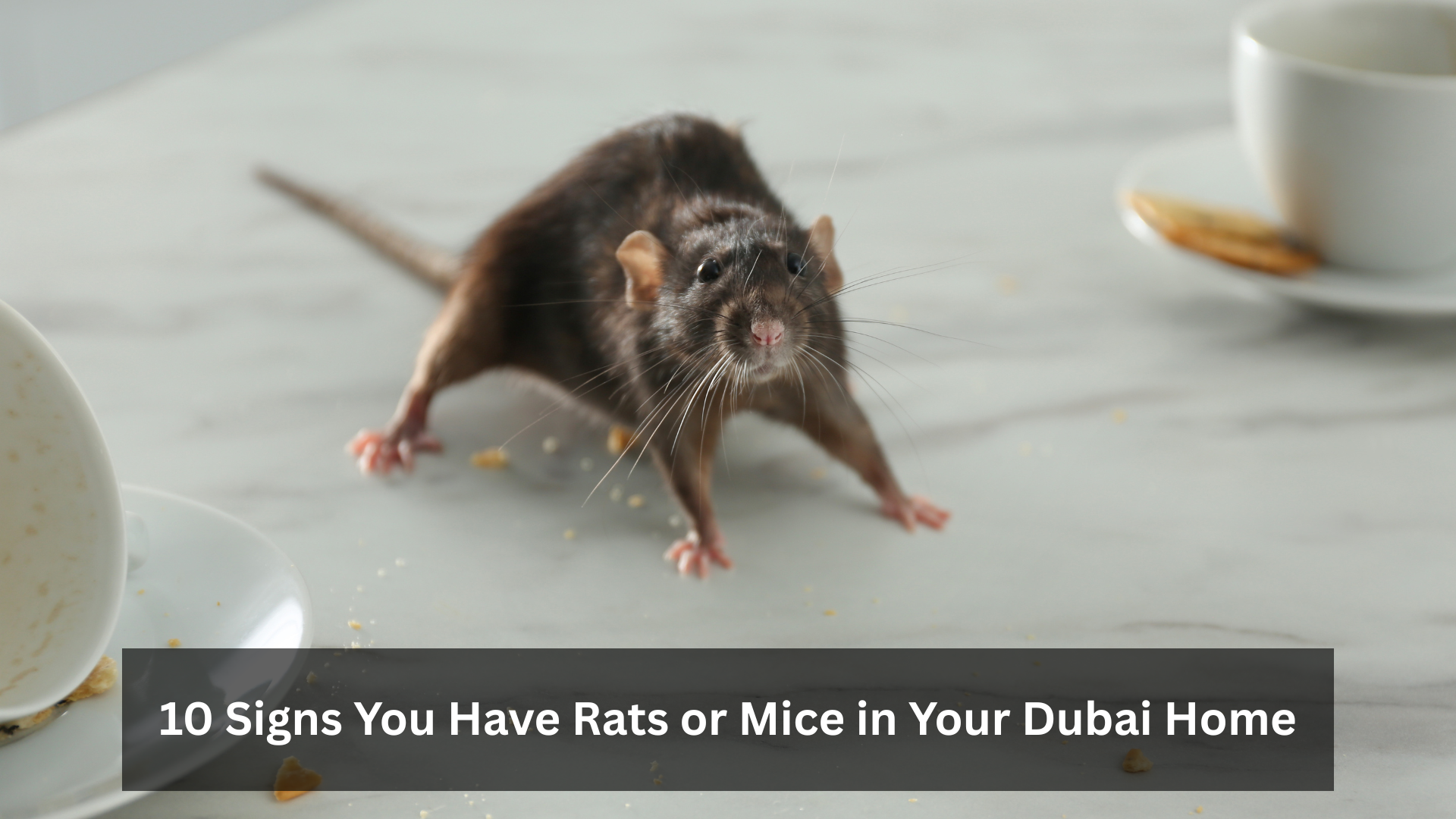
Scratching sounds from walls or ceiling voids at night, grease marks along ground-level walls, and droppings near utility rooms or under kitchen appliances are the most common signs reported by JLT residents. Any of these warrant an immediate professional inspection.
For professional rat control in JLT, visit byebug.ae/rat-control/.
What JLT Residents Should Do About Pest Problems
Report to Building Management First
For cockroaches, rats, and ants in JLT — where the infestation source is almost always in shared building infrastructure rather than exclusively inside your unit — reporting to building management is an important first step. Building-level treatment coordinated across multiple units is significantly more effective than individual apartment treatment in isolation.
Book a Professional Inspection for Your Unit
Regardless of building management action, booking a professional inspection for your own unit ensures your apartment is treated correctly — with the right products for the identified species and appropriate residual protection to slow re-entry from surrounding infrastructure.
Take Preventative Steps Between Treatments
- Seal gaps around pipes under the kitchen sink and in bathrooms — these are the primary cockroach and ant entry points in JLT apartments
- Check and replace any missing or damaged drain covers — a missing bathroom floor drain cover is a direct route from building drainage into your apartment
- Store dry food in sealed airtight containers — not in original packaging
- Empty kitchen bins daily — particularly during summer when warm conditions accelerate organic decomposition
- When moving into a furnished JLT apartment, inspect all upholstered furniture before sleeping in the property
- Clean kitchen and bathroom drains monthly with a biological drain cleaner to reduce organic buildup that attracts drain flies and fruit flies
Pest Problem in Your JLT Apartment?
ByeBug provides professional pest control across all JLT towers and Dubai Marina. Dubai Municipality certified treatments for cockroaches, bed bugs, ants, flies, and rats. Free inspection — transparent pricing — no obligation.
Book a Free Inspection TodayFrequently Asked Questions
Why do I keep getting cockroaches in my JLT apartment even after treatment?
In JLT, cockroach re-infestation after treatment is almost always caused by re-entry from shared building infrastructure — drainage systems, utility shafts, and wall voids that connect your apartment to other units and to the building’s waste areas. Treating your unit alone addresses the population inside it, but not the source. Sealing entry points after treatment and reporting to building management for coordinated treatment significantly reduces re-infestation.
Is pest control the landlord’s or tenant’s responsibility in JLT?
Under most Dubai tenancy agreements, the landlord is responsible for the property being pest-free at the start of the tenancy. Infestations that develop during the tenancy are typically the tenant’s responsibility unless the lease specifies otherwise. For building-level infestations originating from shared infrastructure, building management bears responsibility for treating common areas. Check your specific lease for confirmation.
Does ByeBug service all JLT towers?
Yes. ByeBug provides pest control services across all JLT clusters and towers, as well as Dubai Marina, Al Qusais, Deira, Bur Dubai, Jumeirah, Mirdif, Business Bay, Downtown Dubai, and all other areas across Dubai.
How quickly can ByeBug respond to a pest problem in JLT?
ByeBug offers same-day and next-day appointments across JLT and Dubai Marina. Call +971 50 510 0340 to check availability and book your free inspection.
The Bottom Line
JLT is a fantastic place to live — but its density, building age, shared infrastructure, and high tenant turnover create pest management challenges that are more persistent than in lower-density communities. Understanding why pests are common in JLT is the first step toward dealing with them effectively.
The most important thing JLT residents can do is act quickly at the first sign of a problem — before a small infestation becomes an established one — and to seal entry points after treatment to slow re-entry from the building’s shared infrastructure.
ByeBug provides free inspections and same-day appointments across all JLT towers. Call +971 50 510 0340 or visit byebug.ae to book today.
About ByeBug Pest Control: ByeBug is a Dubai Municipality certified pest control company providing professional cockroach, ant, bed bug, rat, fly, and termite control services across JLT, Dubai Marina, and all Dubai areas. Free inspections for residential and commercial properties.